



As the days get shorter and temperatures dip, your water heater becomes one of the most important appliances in your home. From morning showers to holiday gatherings, it’s working overtime to keep everyone comfortable.
If, on the other hand, your water heater isn’t ready for the extra demand of winter, you could find yourself dealing with chilly water, higher energy bills, or even a mid-season breakdown. The good news is that a little winter water heater prep now goes a long way toward keeping the hot water flowing all season long.
Here are six steps to get your water heater ready for the cold months ahead:
1. Adjust the Temperature
Your water heater should be set at about 120°F. This is the ideal balance for comfort, safety, and efficiency. A higher setting wastes energy and increases the risk of burns, while a lower setting can leave you running out of hot water more quickly when demand is high.
2. Drain or Flush the Tank
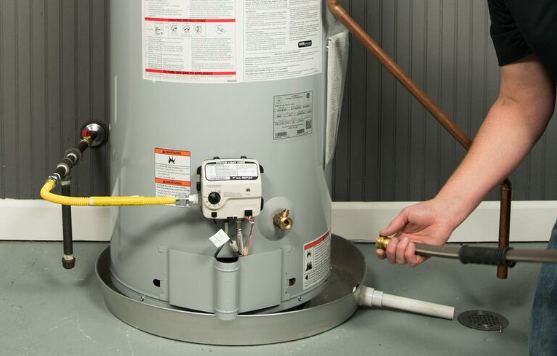
Sediment naturally collects in the bottom of a water heater tank, especially if your home has hard water. Left unchecked, it forces the system to work harder, shortening its lifespan and reducing efficiency. Draining a few gallons now – or doing a full flush if it hasn’t been done in a while – helps remove that buildup and allows your heater to run more effectively.
3. Add Insulation
If your water heater sits in a cool basement, garage, or utility room, wrapping it with an insulation blanket can help reduce heat loss. Don’t forget your pipes, too…foam pipe sleeves are inexpensive and easy to install.
4. Test the Pressure Relief Valve
Your water heater’s T&P (temperature and pressure) relief valve is a critical safety device designed to release excess pressure. To test it, lift the lever slightly until water flows, then let it snap shut. If it sticks, leaks afterward, or doesn’t release water at all, the valve should be replaced right away for your own protection.
5. Inspect for Wear and Tear
Take a close look around your water heater. Do you see moisture pooling at the base? Any signs of rust or corrosion? Even minor leaks can worsen quickly, especially when your heater is under heavy winter use. Spotting and addressing these problems early can help you avoid costly emergency repairs later on.
6. Contact Zach Heating & Cooling
While DIY maintenance goes a long way toward ensuring your family enjoys a worry-free winter of hot water usage, sometimes it’s just not enough. If your water heater is producing less hot water, none at all, leaking from the top or bottom of the tank, or making loud, strange noises, contact Zach Heating & Cooling for an accurate problem diagnosis and a recommendation on the next best action to take.
At Zach, we service and repair all makes and models of gas and electric tank-style systems as well as gas tankless systems. Contact us today to schedule service.